
Kentucky / Archive and aftermath
Beverly Hills Supper Club: why “panic” was an inadequate explanation
Calling a crowd’s behavior panic can sound like an explanation while concealing the questions that matter. What warning did people receive? What did they understand it to mean? What routes did they know? A 1981 National Bureau of Standards research review used the Beverly Hills Supper Club fire to challenge the habit of treating a terrible outcome as proof that the people inside had behaved irrationally.
Read the original court record ↓A disaster became a research problem
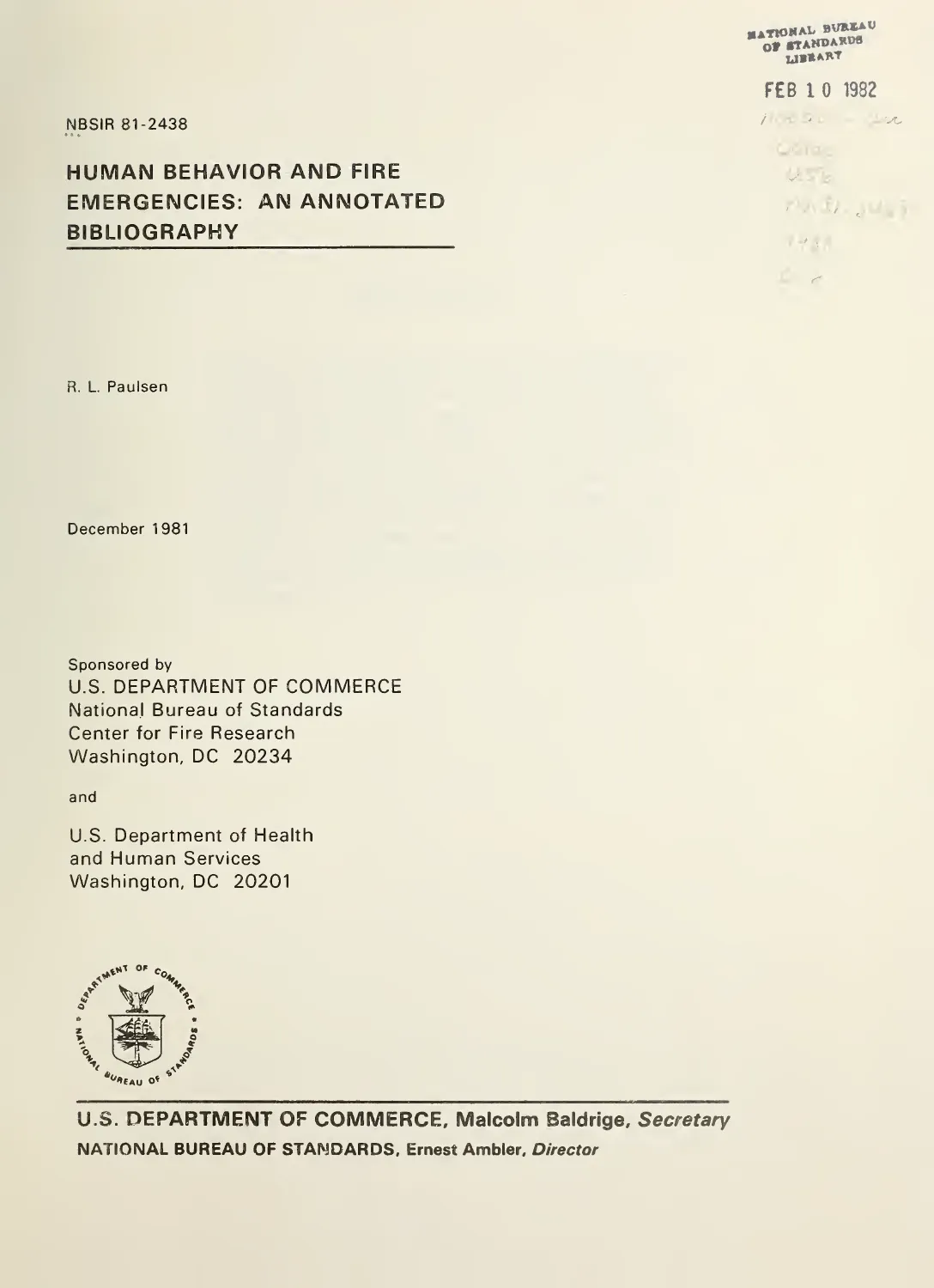
The 1981 review reported 165 deaths in the May 28, 1977, fire at the Southgate, Kentucky, club. It examined the disaster within a larger survey of human behavior in fire emergencies. Its purpose was not to decide criminal responsibility or settle the ignition question. It asked how people perceive danger and act while the conditions around them are changing.[1]
The distinction matters because an outside observer knows the outcome. People in a building do not. The review warned that behavior which appears irrational afterward can make sense within the limited information available to the person at the time. A retrospective label can erase that gap between the observer’s knowledge and the participant’s experience.[1]
Distance could feel like protection
In its discussion of Beverly Hills, the review identified a failure to appreciate the seriousness of the fire soon enough. Many patrons were in the Cabaret Room, some distance from the room where the fire began. That separation helped create a false sense of safety. The account also records that some people initially understood a busboy’s warning from the stage as part of the comedy performance.[1]
These observations do not establish what every individual thought. They do show why merely announcing that a warning occurred is an incomplete account. The meaning of a message depends on its setting and on whether listeners recognize it as an instruction requiring immediate action. The review treated recognition and delay as subjects for investigation, not evidence that victims deserved blame.[1]
People continued to look after other people
The research summarized in the federal report did not support a simple picture of universal, destructive competition. Its annotation of J. A. Swartz’s study described questionnaires and taped interviews with occupants, staff and responding fire officers. The reported pattern was that employees continued helping the patrons for whom they were normally responsible, while patrons often followed staff direction.[1]
That finding connects everyday roles with emergency behavior. Staff knowledge and responsibility did not vanish when danger appeared. For the researchers, emergency planning therefore needed to account for roles people already understood. The point was not that everyone responded perfectly, but that helpful behavior and dangerous delay could exist in the same disaster.[1]
The archive also preserves its limits
The review acknowledged methodological difficulties. Researchers could not ethically reproduce lethal fire conditions for experimental subjects, and recollections gathered afterward could contain errors. Small or unrepresentative samples also limited conclusions. Those cautions are part of the record and prevent one case study from becoming a rule that claims to predict every person in every fire.[1]
The value of this document lies in the questions it restores. The word panic gives a disaster a quick explanation. The research instead asks about information, timing, building conditions and assistance between people. For readers returning to Beverly Hills, that approach offers a more careful account of the human response without pretending that a behavioral study resolves every question about the fire.[1]
Sources and references
Original companion analysis of the identified federal research record. The report synthesizes earlier studies; statements about interview findings are attributed to that synthesis.
- Human Behavior and Fire Emergencies: An Annotated Bibliography, NBSIR 81-2438December 1981 · R. L. Paulsen; National Bureau of Standards, Center for Fire Research
Federal research publication summarizing earlier investigations and studies. The linked original is a research synthesis, not a criminal judgment or a new eyewitness account.
Analysis of a December 1981 federal research synthesis and its description of earlier Beverly Hills studies. This article does not determine the fire’s cause or attribute criminal responsibility.