New Mexico / A case and its legacy
Ashlynne Mike: the work behind an AMBER Alert
An AMBER Alert is visible to the public as a message: a name, a vehicle, a request to watch for a missing child. Behind that message are agreements, trained staff and decisions about who can issue it. The law named for Ashlynne Mike addressed that less visible work after delays in the search for her exposed a serious gap.
Read the 2018 law ↓The search and the prosecution
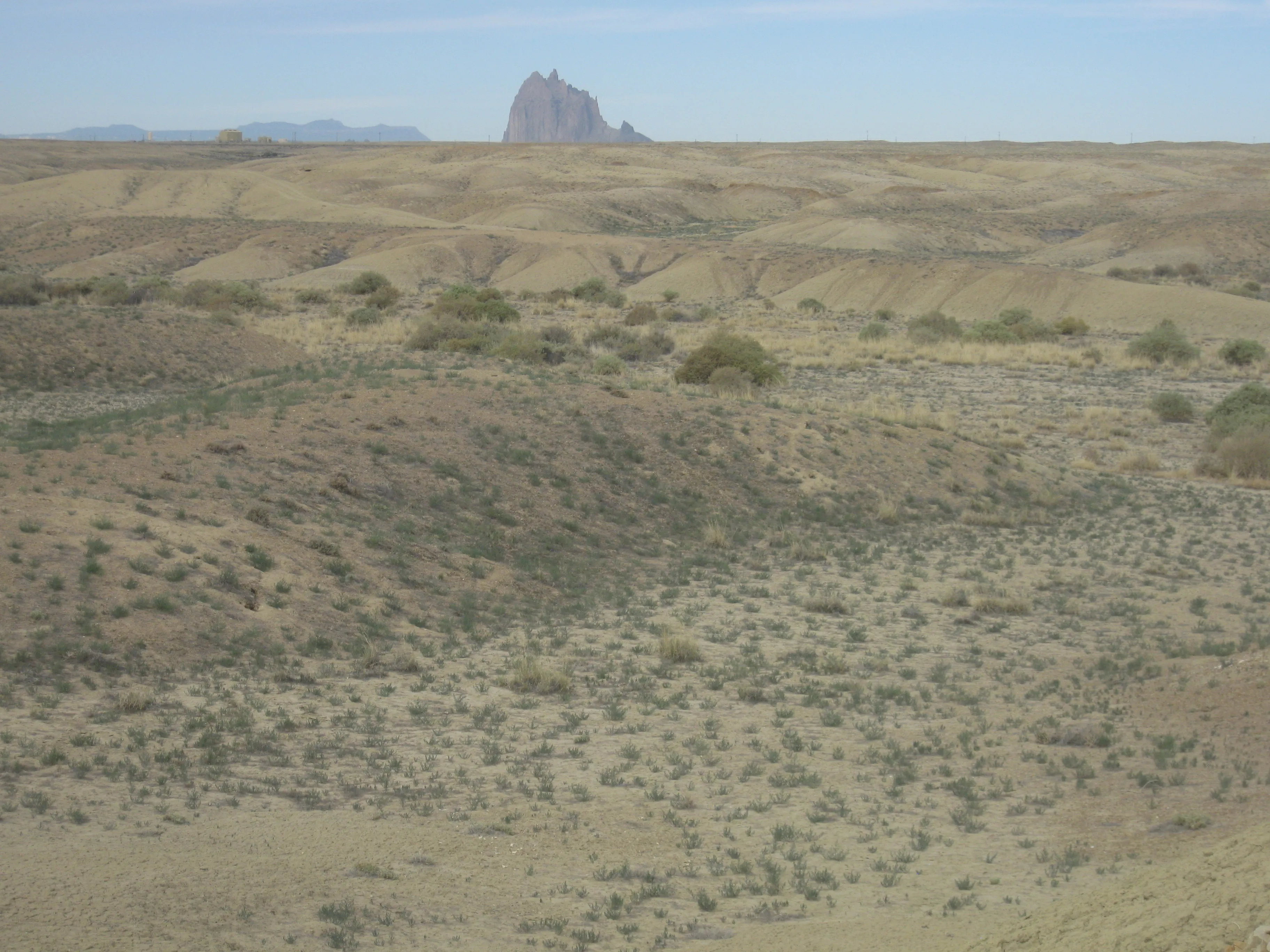
Ashlynne was eleven when she and her nine-year-old brother, Ian, were abducted after leaving their school bus near Shiprock on May 2, 2016. Ian survived. Ashlynne's body was found the next day. The Office of Justice Programs later described misunderstandings and jurisdictional obstacles that delayed an AMBER Alert until that next day, when hours of the search had already passed.[2]
Tom Begaye Jr. pleaded guilty to all six counts of his federal indictment on August 1, 2017. On October 20, he received life imprisonment without the possibility of release for the crimes against Ashlynne and her brother. That sentence answered the criminal case. Ashlynne's mother, Pamela Foster, pursued another question: how could the alert process work better for the next missing child?[1][2]
Foster advocated for changes to the system and spoke at the national AMBER Alert in Indian Country symposium in 2019. Her efforts belong in the account of the case's aftermath alongside the prosecution. They concerned the practical ability of tribal communities to request and share an alert, rather than a new punishment for an already convicted offender.[2]
What the two-page law actually did
Approved on April 13, 2018, the Ashlynne Mike AMBER Alert in Indian Country Act amended the PROTECT Act. Its central change made Indian tribes eligible alongside states for grants supporting AMBER Alert communications. It expressly included bringing tribal systems into state systems and connecting state or regional plans with tribes. Integration was part of the funded work, not simply an expectation that separate systems would cooperate.[3]
The act also addressed a financial obstacle. For specified integration activities, the attorney general could increase the federal share when a tribe lacked sufficient funds to meet the required contribution. That provision was conditional. It did not promise every tribe automatic funding or erase the practical need to apply, plan and establish working connections.[3]
Congress then required a report evaluating readiness, training needs, technological challenges and obstacles to integration. This second part is easy to overlook beside the grant provision. It acknowledged that legal eligibility and an operational alert process were separate matters. Changing who could receive support was an opening step; the report was supposed to show what remained difficult.[3]
Read the survey with its limits attached
The resulting 2019 report described responses from 100 tribes in 26 states. Seventy-six reported participating in a state AMBER Alert plan; 47 reported receiving training. Those figures describe the respondents, not every tribal community. The difference between participation and training illustrates why an agreement alone could not answer every readiness question.[4]
The survey also excluded several groups, including tribes and pueblos in New Mexico because of the state's involvement in an earlier pilot project. Its national figures therefore should not be presented as a score for New Mexico or a direct assessment of the Navajo Nation. Nor do 2018 survey responses establish the condition of alert systems today.[4]
The report identified work beyond issuing a public message: receiving the first call, assessing the circumstances, organizing a field response and knowing how to reach the state coordinator. It treated an AMBER Alert as one part of a broader child-recovery effort. Those details explain why training and working relationships accompanied the new funding authority.[4]
A legacy measured in preparation
The law cannot tell us what would have happened had an alert been issued earlier in Ashlynne's case. It does show the changes Congress chose to pursue afterward: access to grants, integration of communications and an examination of operational barriers. Reading both pages keeps her name connected to that specific work, rather than reducing the act to a promise that legislation alone can prevent another loss.[3]
Sources and references
Original analysis of the 2018 enactment and the difference between authority, funding and operational readiness. The law is reproduced as an unaltered government document; personal photographs and case files are not reproduced.
- Navajo Man Sentenced to Life Imprisonment for Kidnapping, Sexually Assaulting and Murdering 11-Year-Old Navajo ChildOctober 20, 2017 · U.S. Attorney's Office sentencing announcement
Used for the guilty plea, sentence and criminal-case chronology. Graphic details are omitted from this article.
- The Legacy of Ashlynne MikeSeptember 9, 2019 · Office of Justice Programs historical account
Used for the delayed alert, Pamela Foster's advocacy and the 2019 symposium. Historical program totals are not represented as current.
- Ashlynne Mike AMBER Alert in Indian Country Act, Public Law 115-166April 13, 2018 · Federal statute, complete government PDF
Unaltered two-page public law, printed at 132 Stat. 1274-1275. This is the 2018 enactment, not a current grant-application guide.
- Implementation of the Ashlynne Mike AMBER Alert in Indian Country Act of 2018: A Report to CongressMay 2019 · OJJDP implementation report, NCJ 252671
The document is dated May 2019. Its survey of 100 responding tribes had stated exclusions, including New Mexico pilot participants. The report is linked at its official source rather than offered as our own download.
Historical events and findings are dated. This article does not claim that every tribal alert system is fully integrated today or that an earlier alert would certainly have changed the outcome.