
South Dakota / Inside the investigation
The Westerhuis investigation: a phone call, a pickup and the limits of a clue
A vehicle on surveillance footage and a late-night telephone call can look significant before anyone knows what produced them. After the Westerhuis family deaths near Platte in 2015, both became subjects of public questions. The South Dakota attorney general’s January 2016 explanation traced the ordinary records investigators used to test them, while acknowledging that one important piece of evidence could no longer be recovered.
Read the original court record ↓An official finding and continuing questions
The September 17 fire followed the deaths of Nicole Westerhuis and her four children, Kailey, Jaeci, Connor and Michael. State investigators concluded that Scott Westerhuis killed his family, set the fire and died by suicide. The attorney general reported final fire-and-death findings in November. This was an investigative determination about a deceased person, not a conviction returned after a criminal trial.[1]
The January statement responded to questions about a white pickup, calls from the home and two different kinds of safe or deposit box. It also distinguished the death investigation from the continuing financial investigation involving GEAR UP and related programs. The existence of that separate inquiry did not itself establish that another person had caused the family’s deaths.[1]
The pickup had a delivery record
Investigators did more than watch the gas-station video. According to the statement, they interviewed the driver and a pheasant raiser, obtained a delivery invoice and compared the trip with the footage. The truck had carried pheasants from Gregory County to a hunting preserve north of Platte. On its return, the empty crates were stacked and secured. The changing load helped explain what the camera showed.[1]
That explanation used several kinds of information for different purposes. The invoice documented a delivery; the interviews explained the journey; the footage allowed investigators to compare movement and cargo. The statement did not present the truck as a vehicle identified through forensic evidence at the fire scene. It described a lead examined and given a supported, unrelated explanation.[1]
A call record was not a recovered message
Phone records showed a call from the residence to Nicole’s mobile phone at approximately 2:57 a.m. A call log alone could not establish who, or what, initiated it. Investigators consulted the company that had installed an automated alarm system. Its fire-alarm programming called Scott’s mobile first and Nicole’s second. The documented sequence matched that arrangement.[1]
The voice message itself was unavailable. Authorities believed the phones and any locally stored message had been destroyed in the fire. The mobile accounts were deactivated a week afterward, and the provider’s voicemail contractor retained messages only while an account remained active. The release therefore described an alarm notification as the likely explanation. It did not claim that investigators had listened to a recovered recording.[1]
What remained separate
The statement also distinguished a bank deposit box from a portable box witnesses remembered at the property. Officials had searched the bank box under a warrant; its contents remained sealed, but they reported nothing useful to the death investigation. The portable box presented a different question involving witness recollection, searches and limited fire resistance. Treating both as one missing safe would collapse separate facts into a misleading mystery.[1]
The loss of the voicemail leaves a real limit. Matching call order and alarm programming supports an explanation without restoring the message’s contents. The delivery records likewise explain the pickup without purporting to answer every question about the wider financial case. In this account, the value of a clue came from the checks performed on it, not from how suspicious it initially appeared.[1]
Sources and references
Independently researched companion article, with paragraph-level references to the records examined.
- South Dakota attorney general: further information on the Westerhuis investigationJanuary 5, 2016 · Primary institutional record
Original official explanation. Section I addresses the pickup; II the phone calls; III the separate boxes.
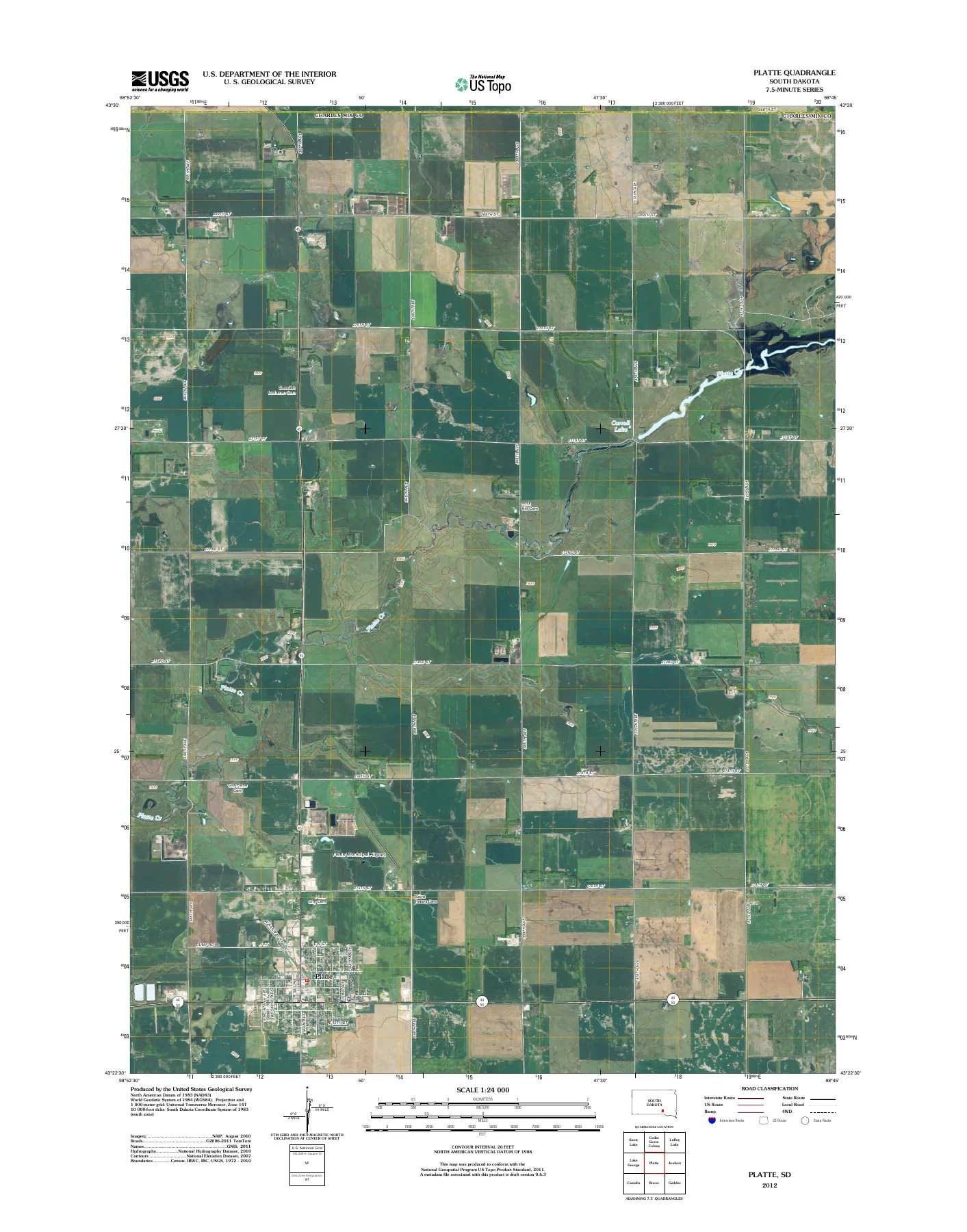
- USGS Platte quadrangle, 20122012 · Primary institutional record
Original USGS map archived by the University of Minnesota. Geographic context only; no crime scene or vehicle route is marked.
This article addresses the specific historical record described here; it is not a complete account of every proceeding.