The true crime books of J.R. StranahanAlabama edition
South Court Street, Montgomery, Alabama / Place & archive
How Montgomery saved the Freedom Riders' station
Montgomery's former Greyhound station faced demolition for a courthouse expansion. A preservation effort helped turn it into the Freedom Rides Museum.
By True Crime America2 minute readReview edition · September 2026
Montgomery's old Greyhound station was nearly lost to a courthouse expansion. After the bus company left in the mid-1990s, the federal General Services Administration bought the property with plans that would have meant demolition. The Alabama Historical Commission, federal judges and local supporters worked to preserve the station.
On May 20, 1961, Freedom Riders arriving here had faced a violent mob while challenging segregation in interstate travel. Decades later, preserving the building kept a physical connection to that attack. The Freedom Rides Museum now occupies the station on South Court Street, operated by the Alabama Historical Commission.
The building is part of what the museum teaches. Behind its curved, Streamline Moderne exterior, exhibits examine how a bus station's layout could help enforce segregation. Historic images and recorded accounts from Freedom Riders connect the entrances and waiting spaces with the rules governing who could use them.
A later project brought a vehicle of the period to the story. For the Freedom Rides' sixtieth anniversary in 2021, the commission announced a restored Greyhound bus of the kind used during the campaign. It was a representative bus, not an identified vehicle from the attack.
The station has a different connection to 1961: the building itself survived. Saving it kept the place of arrival available to visitors, along with the chance to study how an ordinary transport building could enforce a divided society.
Explore the regional book
The Montgomery Files
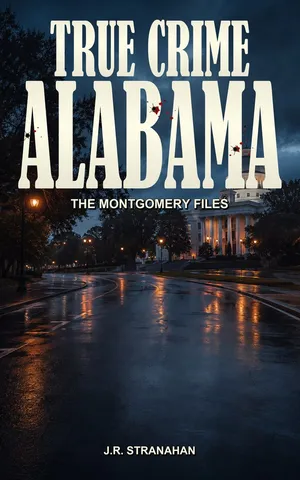
The Montgomery Files examines the violence against the Freedom Riders and the struggle over their protection, alongside cases involving Viola Liuzzo, Willie Edwards Jr. and others across Alabama's capital and River Region.
Paid links. As an Amazon Associate I earn from qualifying purchases.
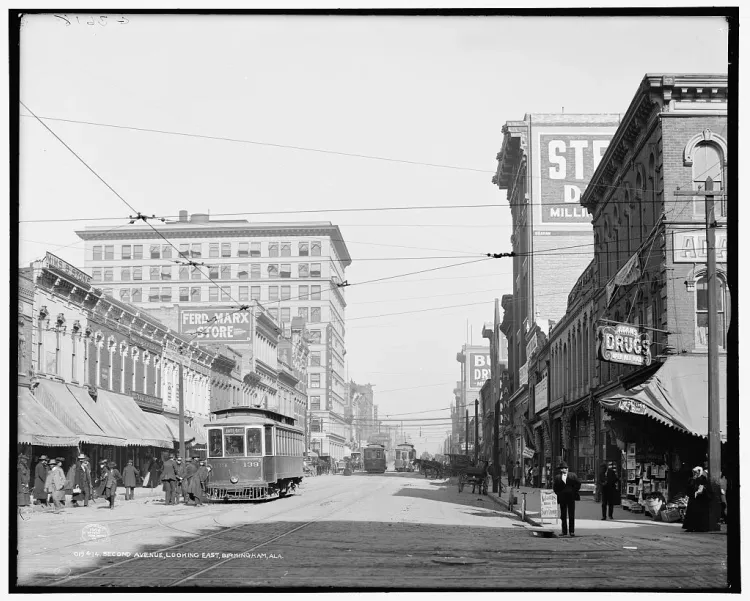
This original companion article offers a separate, focused look at the public record. Historical images are identified as contextual where appropriate.
Small donations in Wales helped create a stained-glass window for Sixteenth Street Baptist Church. John Petts's surviving designs trace the making of that gift.

 Memorial