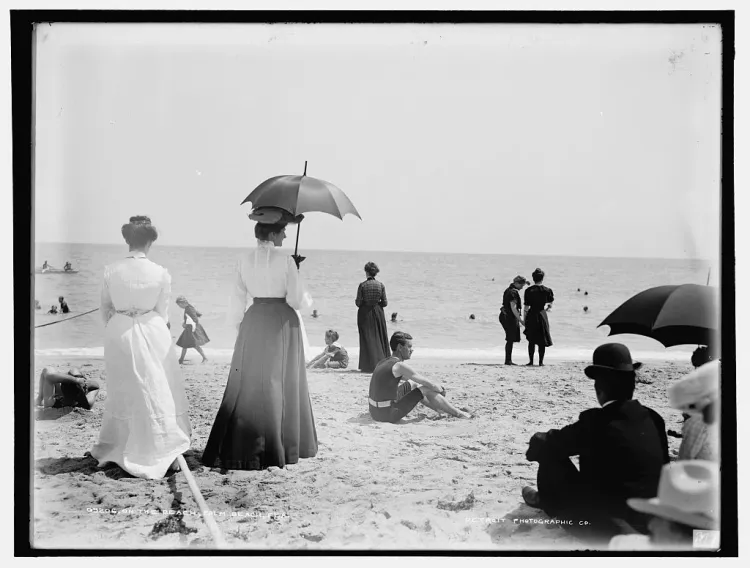
 Case record
Historical context · Library of Congress ↗
The Chillingworth case across three Florida counties
Two victims, two prosecutions and three counties. The court records show how the Chillingworth case moved beyond Palm Beach.
Read the article
Flamingo, Florida Bay / Memorial
At Flamingo, a waterfront trail remembers the Audubon warden killed while protecting birds in 1905, decades before Everglades National Park opened.
The trail beside Florida Bay at Flamingo carries the name of a man killed while protecting its birds. Guy Bradley was an Audubon warden in 1905, decades before this shoreline became part of Everglades National Park.
Protecting birds meant confronting people who hunted them for their plumes. The National Park Service's history describes Bradley issuing citations and arresting violators. He was shot and killed in a confrontation arising from that work. The named trail commemorates his protection of a Florida Bay rookery.
The present path connects the visitor center and campground over one mile. Birds, butterflies and old pier pilings mark the shoreline of what was once a fishing village. Bradley worked in an earlier Florida Bay, where hunting and efforts to protect wildlife could bring neighbors into conflict. Congress authorized the national park in 1934; it opened in 1947. He lived to see neither milestone.
The Guy Bradley Visitor Center now introduces visitors to Flamingo's coastal ecosystems and Florida Bay. Flamingo stands on the mainland shore, across the bay from the Keys. On the waterfront, the warden's name brings the view into sharper focus: the birds visitors stop to watch were once the subject of dangerous enforcement work.
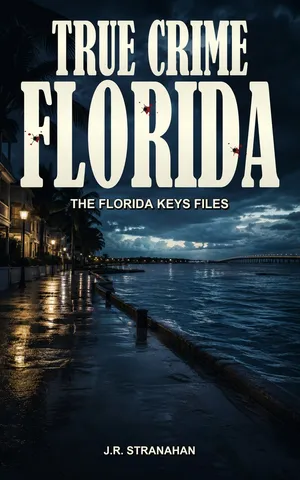
Explore the regional book
The Florida Keys Files includes Bradley's story alongside Bum Farto's disappearance and the MacIvor family case, bringing historical and modern investigations from the region into one volume.
Paid links. As an Amazon Associate I earn from qualifying purchases.
View Kindle edition on AmazonOpens this book’s Kindle listing on Amazon.
Follow the record
This original companion article offers a separate, focused look at the public record. Historical images are identified as contextual where appropriate.
Keep exploring
Case recordHistorical context · Library of Congress ↗
Two victims, two prosecutions and three counties. The court records show how the Chillingworth case moved beyond Palm Beach.
Read the article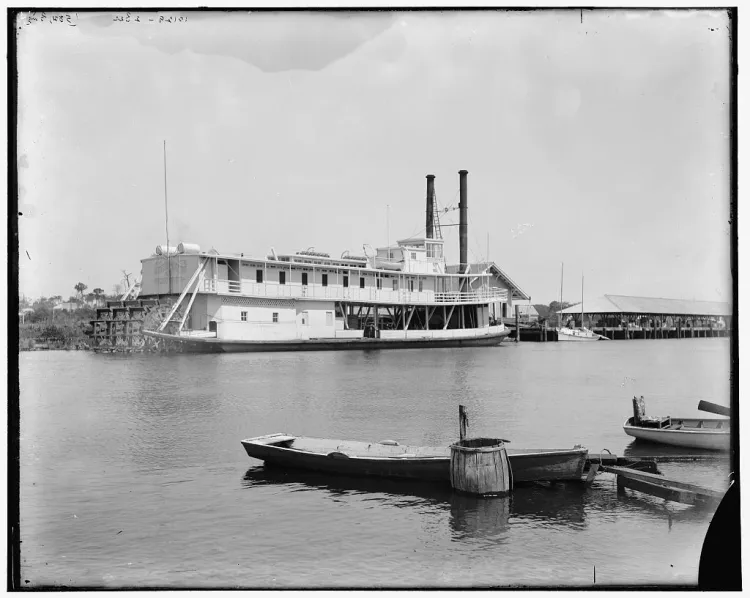 Case record
Historical context · Library of Congress ↗
Amy Billig disappeared from Coconut Grove at seventeen. Her official missing-person notices preserve identifying details and a route for anyone with information.
Read the article