The true crime books of J.R. StranahanPennsylvania edition
The regional files / Pennsylvania
Pennsylvania. Look closer.
Explore selected cases from Pennsylvania, one region at a time. Find the places you know, discover what each book covers, and follow the investigations beyond the headline.
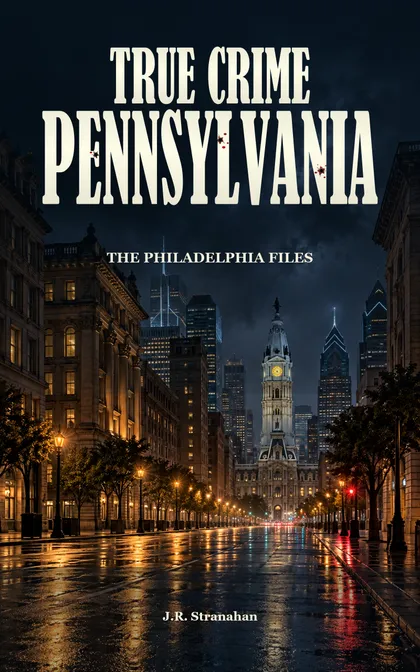
Eight documented Philadelphia and suburban county files examine landmark convictions, an exoneration history, unresolved homicide, and public accountability. Each chapter separates allegation, verdict, later relief, and present legal status.
Eight Pittsburgh and southwestern Pennsylvania files follow mass violence, murder convictions, missing children, and unresolved killings while preserving the exact procedural status of each case.
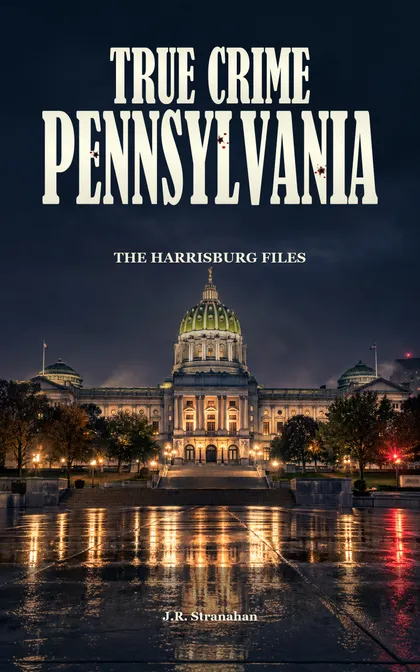
Eight south-central Pennsylvania files move through Harrisburg, York, and Lancaster, covering convictions, corruption, reopened civil-rights-era cases, and deaths that remain unresolved.
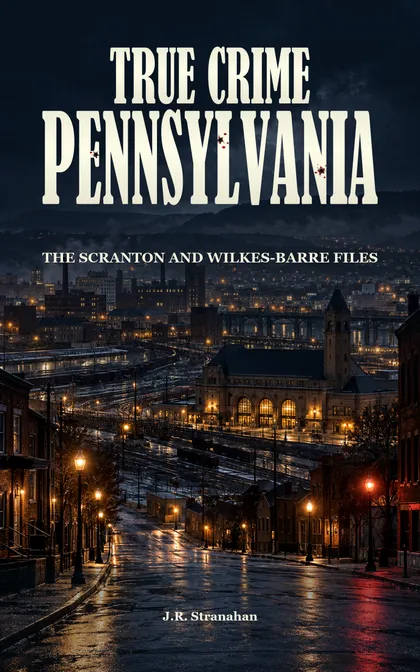
Eight northeastern Pennsylvania files examine capital litigation, the Kids for Cash scandal, convictions built on hidden remains, and unresolved disappearances across the Wyoming Valley.
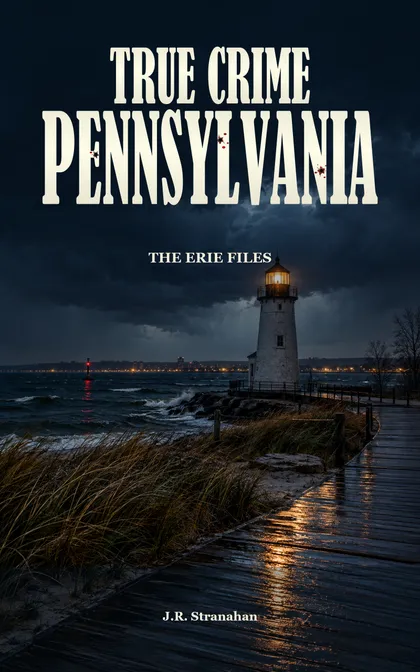
Eight Erie and northwestern Pennsylvania files trace the collar-bomb prosecution, homicide appeals, juvenile resentencing, and a disappearance that remains open.
Eight Lehigh Valley files examine serial violence, institutional failure, family murder, a campus-safety legacy, and the identification of a young woman once known only as Beth Doe.
Eight central Pennsylvania files cover institutional abuse, missing officials and students, recovered remains, a no-body conviction, and an unsolved 1977 homicide.
Volume One combines the Philadelphia, Pittsburgh, Harrisburg, and Scranton-Wilkes-Barre regional files and adds an exclusive statewide record on the 2018 grand jury report. Thirty-three documented files distinguish convictions, appeals, allegations, and open investigations.
Volume Two combines the Erie, Lehigh Valley, and State College regional files and adds the exoneration of Lewis Fogle and the still-unsolved murder of Deann Long. Twenty-five documented files preserve the difference between suspicion, judgment, reversal, and an open case.